-

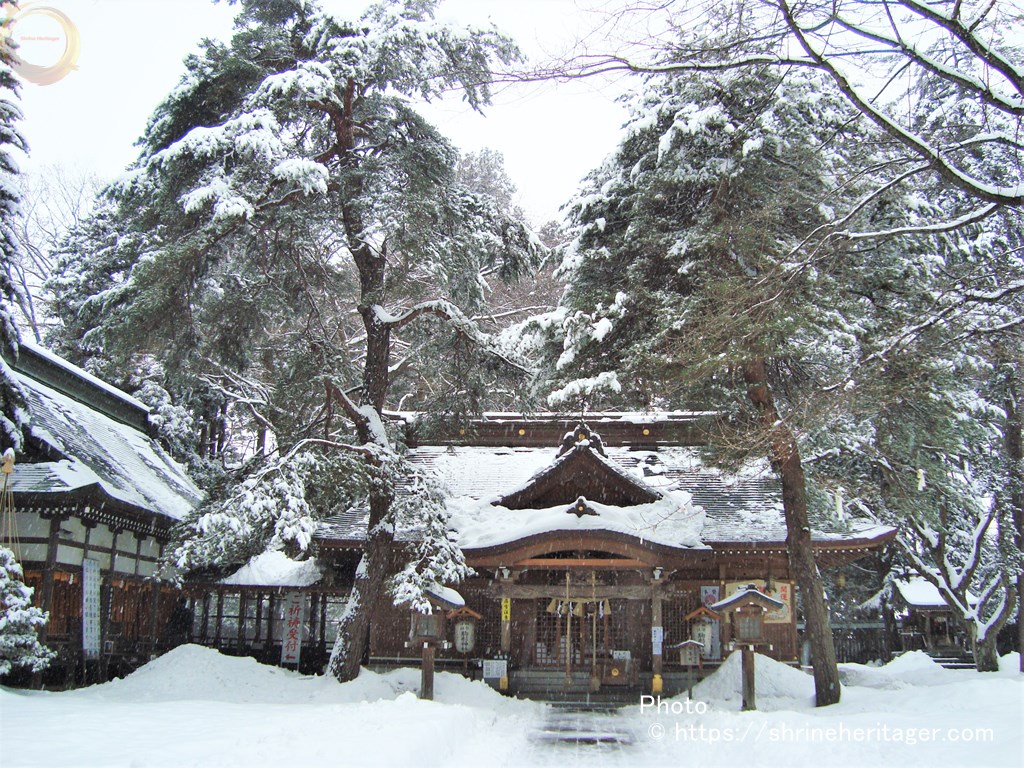
興神社 (ko shrine)
Ko shrine (ko shline) is sitting right next to the ruins of the ruins of the royal capital of Iki (Iki) when Iki was the time of the royal system, and pays the 鑰 of the government office and the seal of the national government office. It is called by the company name of "In 鑰 Daimingjin" as a place, and it conveys a stately and high reason The common name of the villager is "Ichinomiya" And now it is the original Uchinajin Taisha "Ten te eldest son shrine" and "Ikikuni Ichinomiya" is our company " The theory that it is "Ko Shrine" is powerful.

-

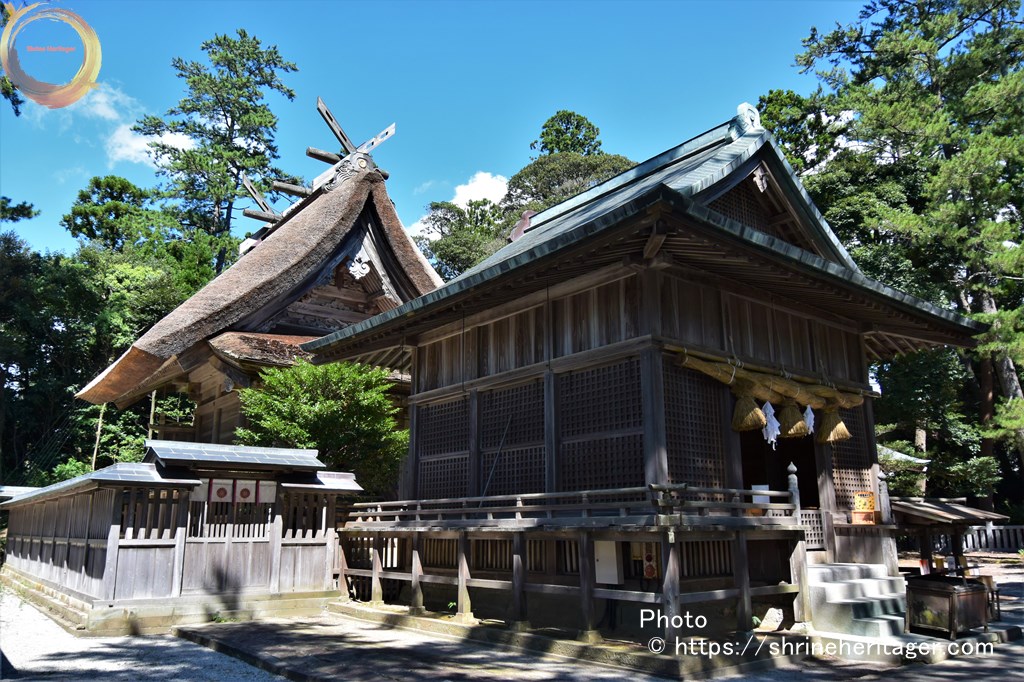
水若酢神社(Mizuwakasu Shrine)
水若酢神社(Mizuwakasu Shrine) is located in the five districts of Okinoshima Town (Dogo) in Ichinomiya, Oki Province. It was founded in the era of the 10th Emperor Sujin, and is an old shrine with a beautiful precinct where old black pine trees grow. It is said that Mizuwakasu no mikoto, the god of rituals, was the god of land development in Oki Province and the protection of the Sea of Japan.
-

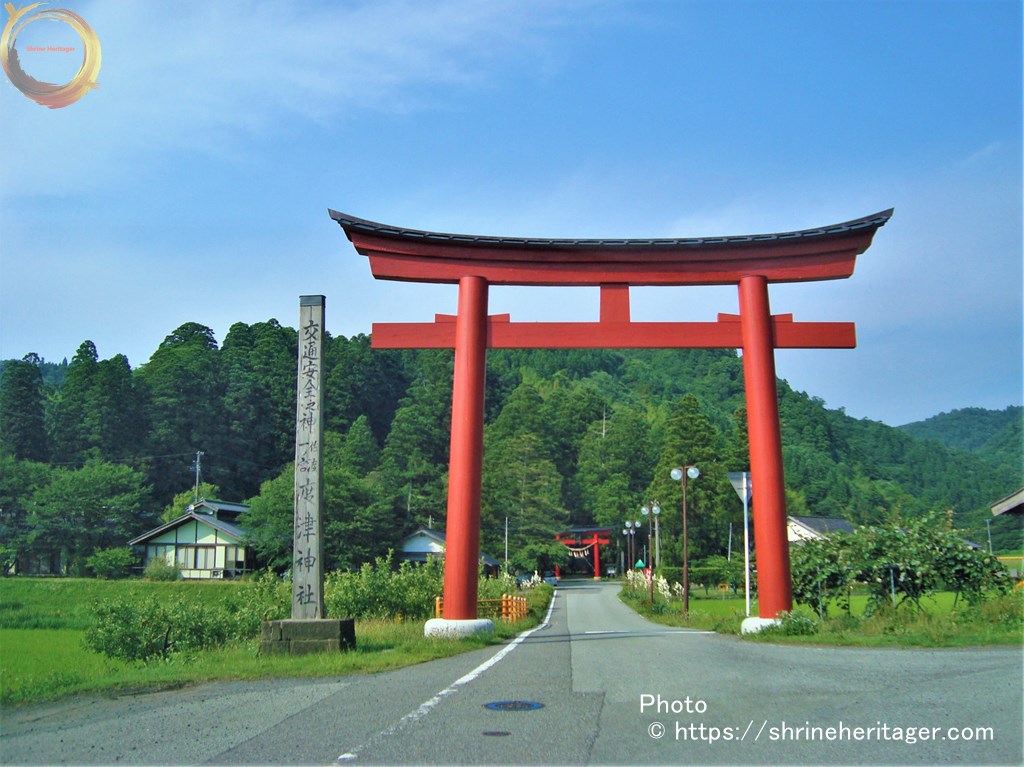
Watatsu Shrine (Sado City)
The Dozu Shrine was moved to its present location because of the flood in 1470 and old documents such as shrine sites, history, good luck, etc. were washed away.
-
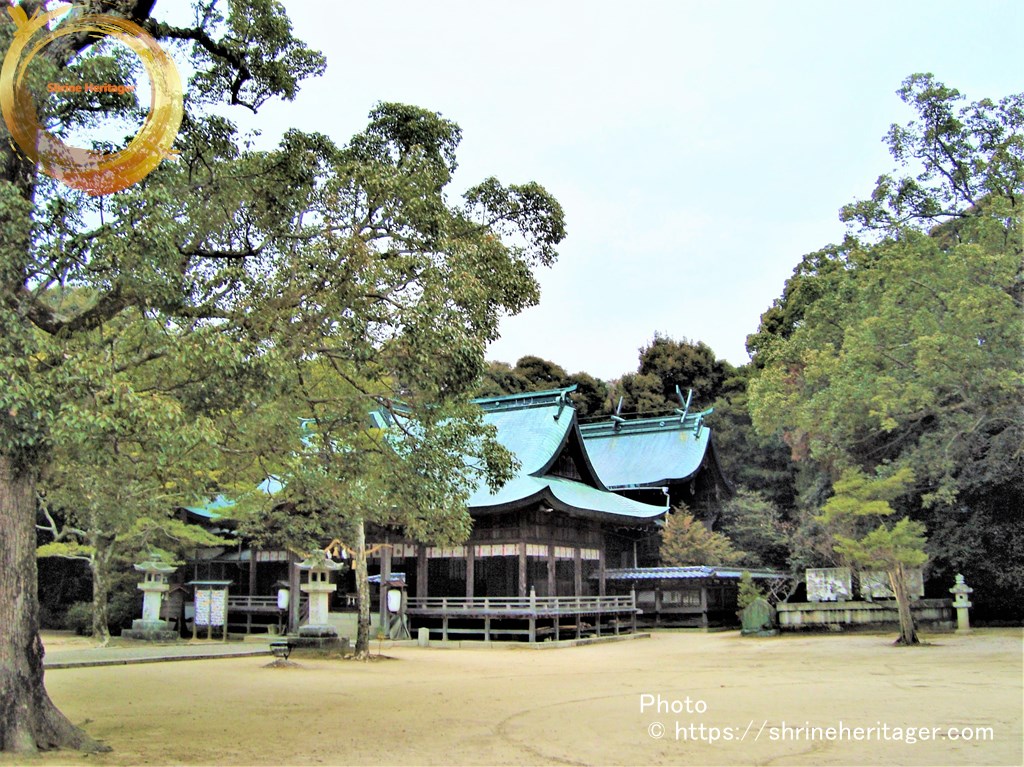
Tamanoya shrine(玉祖神社)
Tamanoya shrine (Hofu City) is listed as "Tamaso Shrine Niza" in 『延喜式神名帳(engishiki jimmeicho)』 God Name Book. ) as the god of the festival, but the god of the other one is unknown, and in the company's story, the Tsunesei Naganary chicken collected and played at the time of "Iwato Kakure of the Heavens of Ameteru Ogami" famous for "Japanese mythology" is the god of the festival . It is said that "玉祖命(tamanoya no mikoto)" was taken to this place and stayed in this place, and it is designated as a natural monument, and it is bred in the precincts.
-

駒形神社 本社(komagata shrine)
Komagata Shrine Headquarters is called "Riku Chugoku Ichinomiya", and "Okumiya" is settled on the summit of Komagatake Mountains. In ancient times, it was thought that the area around the area was a production area for war horses. It is also said that in accordance with the Shinto Buddhist study with the horse head Kannon and Dainichi Nyorai, they are solicited and widely worshiped in various parts of Eastern Japan.